The Rise of Built-In Ovens: A Comprehensive Guide
On the planet of modern-day kitchen areas, built-in ovens have carved a specific niche on their own, changing both the functionality and visual appeal of culinary areas. This short article explores the many advantages of built-in ovens, their setup considerations, and a contrast with standard freestanding models.
Understanding Built-In Ovens
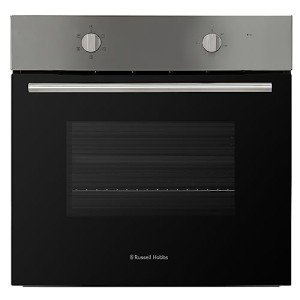
Built-in ovens are designed to be integrated flawlessly into kitchen cabinetry, using a sleek and advanced appearance. Unlike freestanding models, which sit on the floor, built-in ovens are installed at eye level or under counter tops, making them ergonomic and simple to access.
Types of Built-In Ovens
Built-in ovens been available in a number of types, each catering to different cooking needs and preferences. Here's a short introduction:
- Single Built-In Oven: Ideal for smaller sized kitchen areas, offering sufficient cooking space for a lot of requirements.
- Double Built-In Oven: Offers different compartments for cooking, ideal for larger households or those who often entertain visitors.
- Steam Ovens: Utilizes steam cooking for much healthier meals, keeping nutrients and moisture.
- Convection Ovens: Equipped with fans to flow hot air equally, making sure quicker and more constant cooking.
| Type | Description | Best for |
|---|---|---|
| Single Built-In | One spacious oven compartment | Little families |
| Double Built-In | Two compartments for simultaneous cooking | Large households |
| Steam Oven | Steam-based cooking technique | Health-conscious cooks |
| Convection Oven | Fan-assisted cooking for even heat distribution | Those who bake typically |
Benefits of Built-In Ovens
Visual Appeal
Built-in ovens offer a streamlined, integrated appearance that boosts the general appearance of a kitchen. They are available in numerous styles and finishes that can match existing cabinetry and design, creating a streamlined and cohesive appearance.
Space Efficiency
Developed to fit seamlessly into kitchen styles, built-in ovens can conserve valuable floor area, making them ideal for smaller kitchens. By saving area, property owners can take advantage of extra storage options or more counter space for food preparation.
Ergonomics
Setting up ovens at eye level removes the requirement to bend down, decreasing stress when examining food or eliminating hot meals. This ergonomic advantage is particularly useful for people with mobility obstacles.
Adaptability
Built-in ovens often come with a variety of cooking modes and features, from convection cooking to self-cleaning options, offering users flexibility in their cooking techniques.
Energy Efficiency
Modern built-in ovens are normally created to be more energy-efficient than conventional designs. Functions such as much better insulation and advanced heating aspects help in reducing energy consumption.
Installation Considerations
While the benefits of built-in ovens are substantial, particular elements require to be considered before going with this kitchen upgrade:
- Space Requirements: Built-in ovens require particular space measurements in terms of width, height, and depth. Click That Link should be considered to avoid installation problems.
- Electrical and Gas Hookups: Built-in ovens might require specific electrical circuitry setups or gas connections. Qualified professionals ought to manage this setup to make sure safety and compliance with regional codes.
- Kitchen cabinetry Compatibility: The style and structure of existing kitchen cabinetry must be assessed. Built-in models might demand modifications to kitchen cabinetry, or brand-new cabinetry might need to be designed to accommodate them.
- Cost: Built-in ovens typically come at a premium rate compared to freestanding models. Homeowners should evaluate their budget plans appropriately and think about long-term advantages.
Setup Steps
Below are the fundamental steps involved in setting up a built-in oven:
- Preparation: Measure the area and remove old appliances if required.
- Electrical/Gas Setup: Ensure the essential electrical or gas connections are prepared and examined for compliance.
- Cabinet Adjustment: Modify cabinets as needed to fit the built-in oven.
- Positioning: Carefully place the oven into the designated space and level it.
- Connection: Connect the oven to power or gas and make sure all fittings are secure.
- Testing: Turn on the oven to guarantee it runs properly.
Often Asked Questions (FAQs)
1. Are built-in ovens easy to install?
While standard setup can be handled by a useful person, it is advisable to hire a professional, specifically when dealing with electrical or gas fittings.
2. Can I replace my freestanding oven with a built-in oven?
Yes, but it will need careful measurement and possibly some modifications to your existing kitchen cabinetry to fit the built-in model.
3. How do built-in ovens affect kitchen resale value?
Built-in ovens can enhance a kitchen's appeal, often making it more attractive to possible purchasers, consequently supporting a greater resale value.
4. Are built-in ovens more costly than freestanding models?
Typically, built-in ovens are more pricey due to their style and functions. However, their enhanced visual appeals and performance might validate the expense for numerous property owners.
5. What are the best brands for built-in ovens?
Some recognized brands include Bosch, Miele, KitchenAid, and Electrolux, each known for their quality and development.
Built-in ovens represent a considerable leap in kitchen technology, using a blend of design, effectiveness, and performance. While they require careful consideration relating to area, setup, and expense, the advantages they offer make them an attractive choice for modern house owners. Whether updating an existing kitchen or creating a brand-new one from scratch, built-in ovens can elevate the cooking experience and enhance overall kitchen looks. From performance to elegance, they really embody the best of modern cooking options.